









Scaling Linear's GTM to $100M+ ARR — Cristina Cordova, COO
Over half the issues created in Linear now come from agents instead of people.


The AI Engineer newsletter and technical AI podcast: how the leading labs build agents, models, infrastructure and AI for science.
Showing all 280 episodes · Only those about AI
Over half the issues created in Linear now come from agents instead of people.
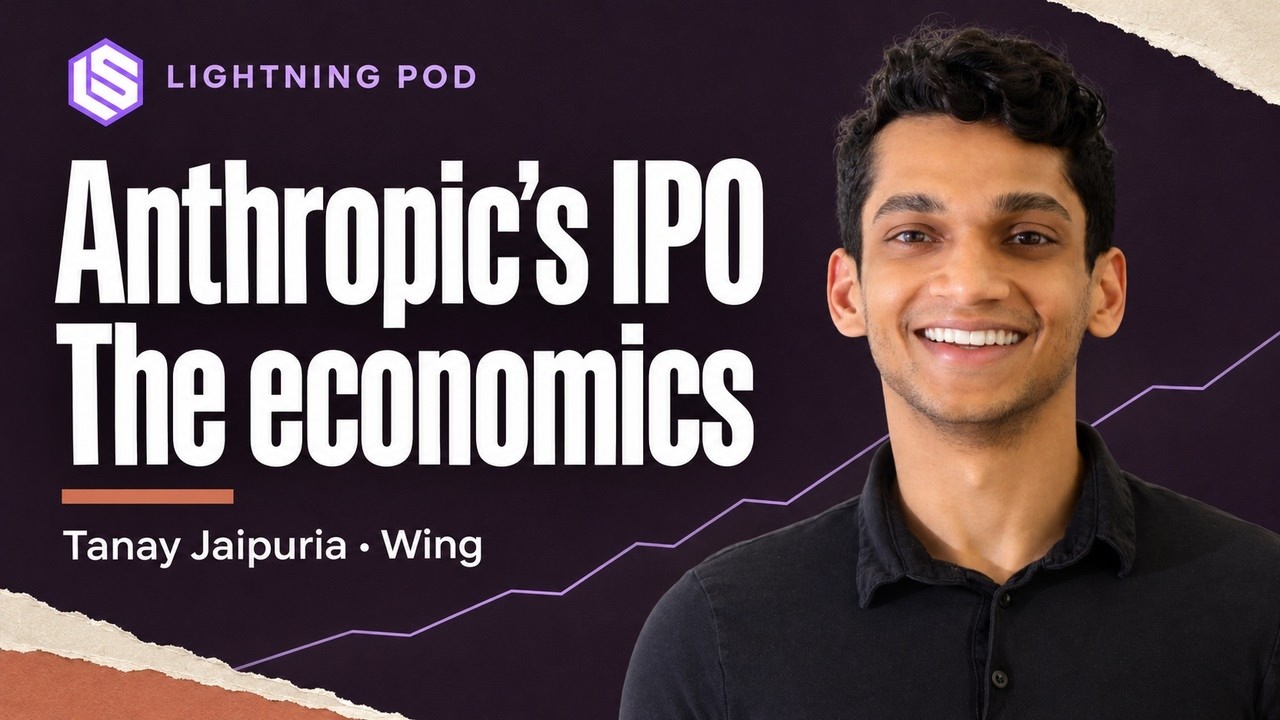
Anthropic reported $17B in quarterly revenue. What did it cost to get there? Tanay Jaipuria, a partner at Wing Venture Capital, opens the S-1 with swyx and explains how the picture changes when you count the compute spent on free users and…
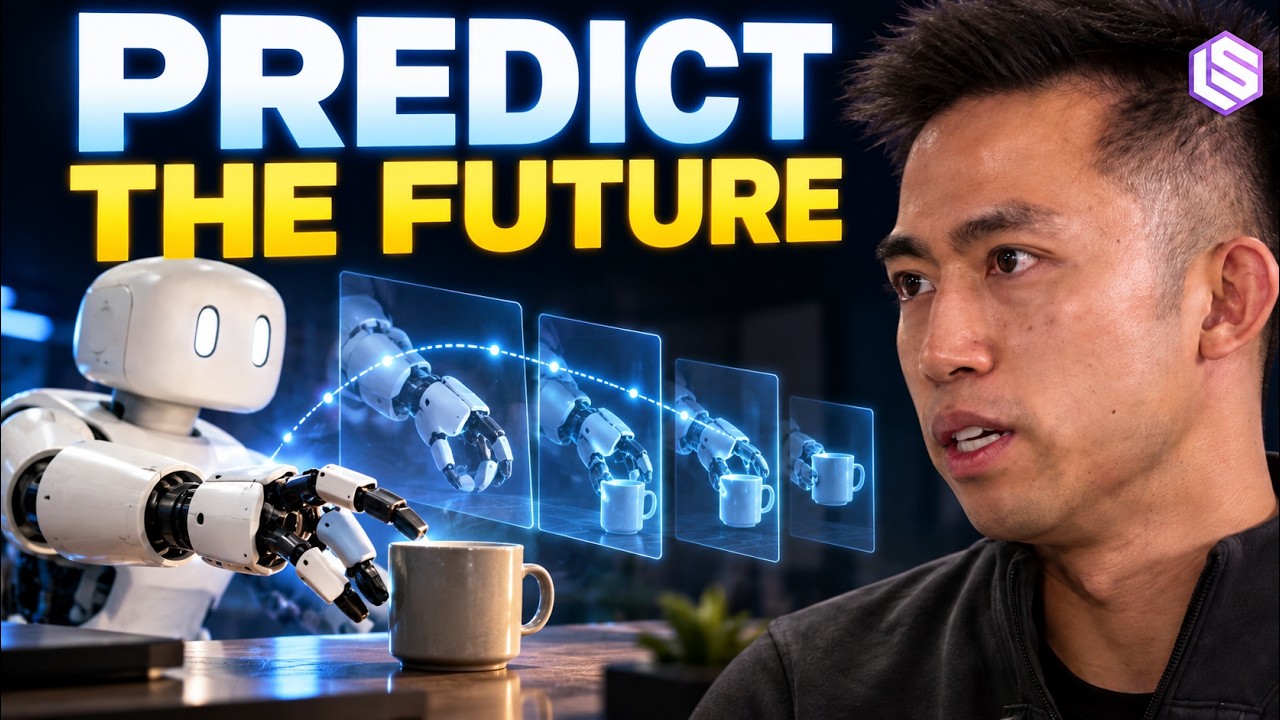
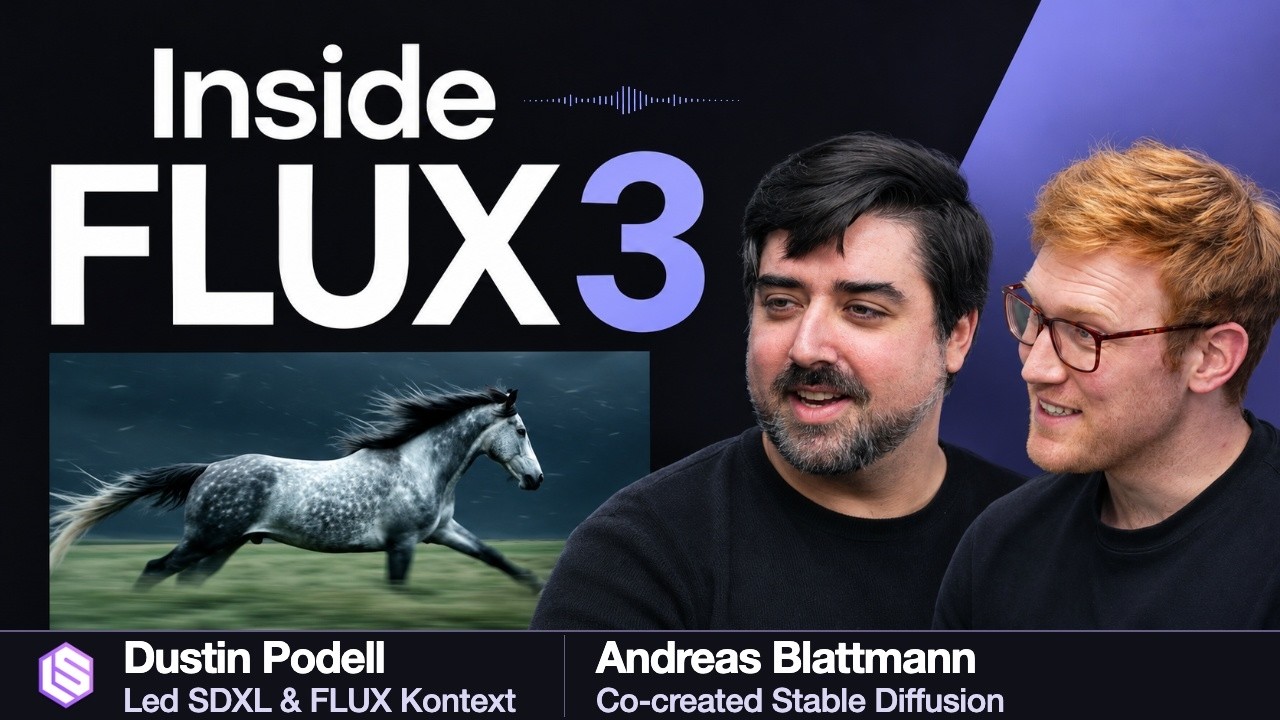
A camera moves around a person. Halfway around, the model has to draw the back of a head it has never seen. How much can it learn about that missing view just by watching video? That’s the question we put to Andreas Blattmann and Dustin…
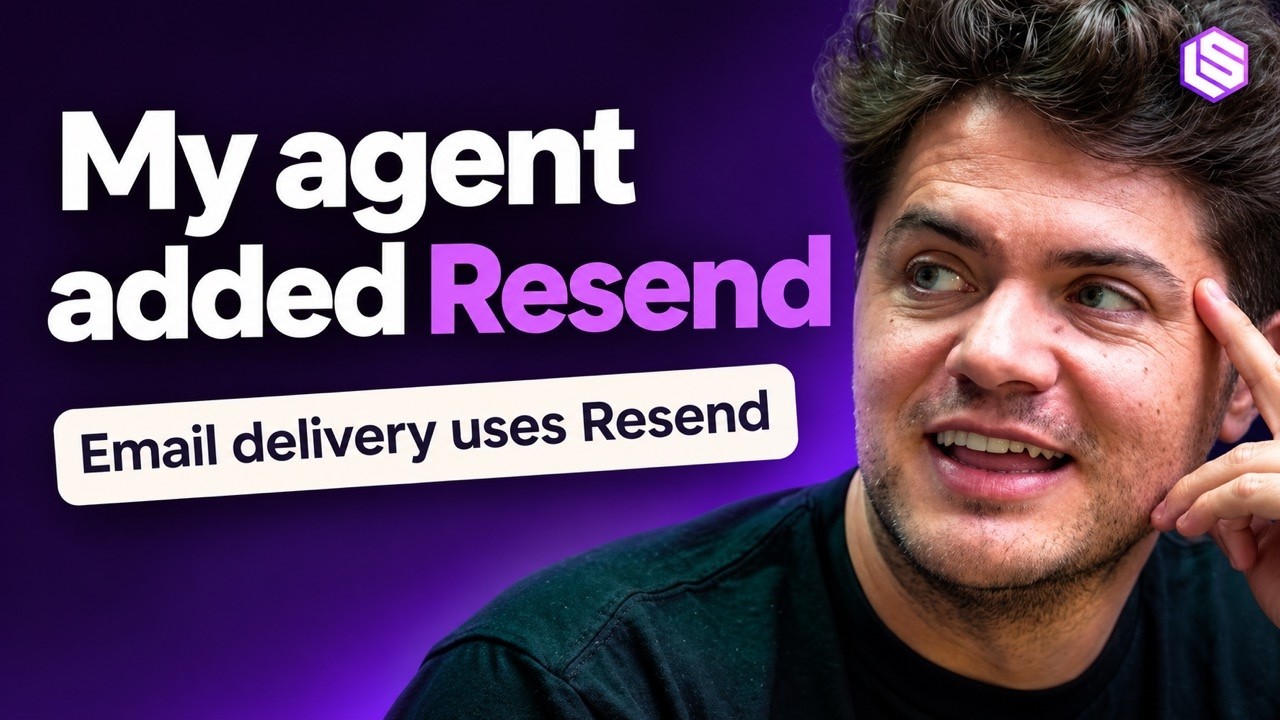
A coding agent opens a pull request and picks an email provider for you. How did it choose? Resend co-founder and CEO Zeno Rocha explores answer engine optimization (AEO) through a concrete example: which email provider does Claude Code…
Our first deep dive with an AI data company. Handshake AI went from launch to roughly $1 billion in annualized gross revenue in about a year. What are frontier labs actually buying? Garrett Lord and the team open up the reinforcement…
What do you assign when students can finish last year’s homework with one prompt? For the second run of Stanford’s CS146S, Mihail Eric brought open-source maintainers into the course. Students have to understand an unfamiliar repo, propose…
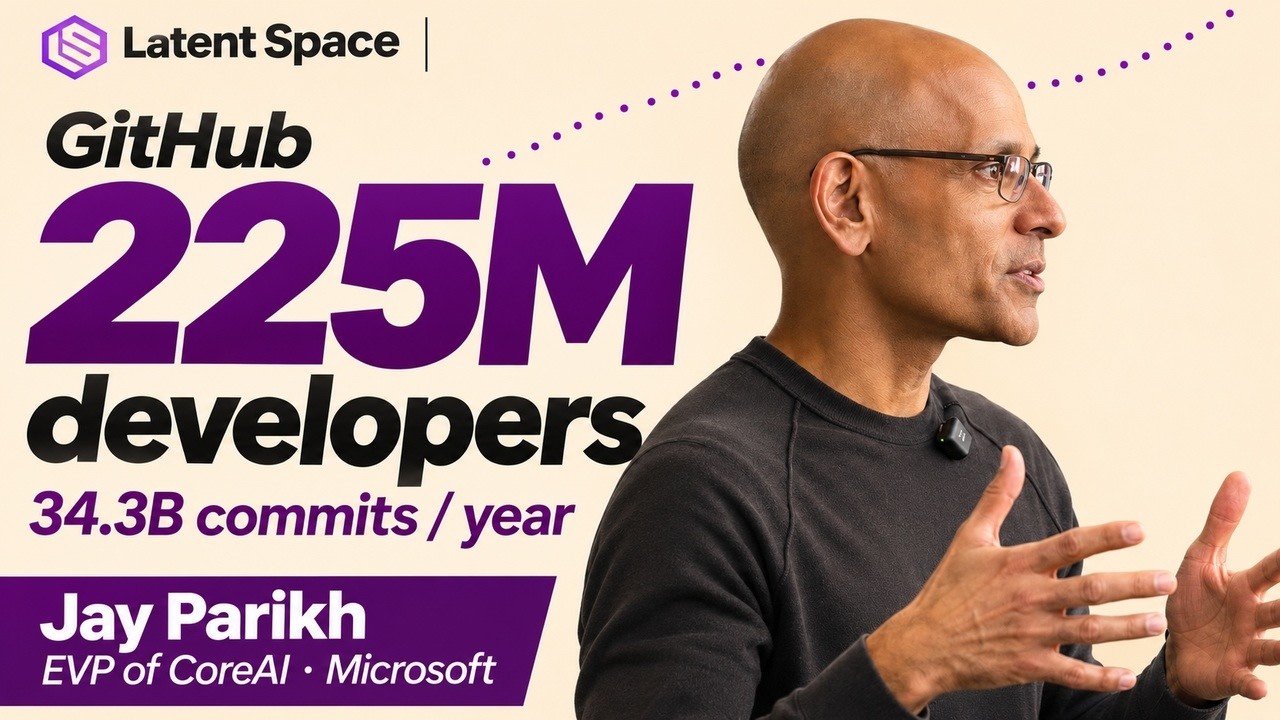
GitHub’s next scaling challenge is the agent workload. The platform has 225 million developers and handled 34.3 billion commits over the past year. Jay Parikh, EVP of CoreAI at Microsoft, joins us straight after his GitHub Universe keynote…
Will Anthropic make it from filing an S-1 to trading on Nasdaq? Jamin Ball, partner at Altimeter and author of Clouded Judgement, joins swyx to walk through the roadshow, the Thanksgiving window and what investors would need to believe…
Why do PDFs still break AI? Reducto co-founder and CEO Adit Abraham joins Allen Park on Latent Space Cooking to talk AI document parsing and make a steak sandwich with burrata, torched peaches, and chimichurri.
Biohub, Google, Meta, DOE, and NIH have announced a $1.8B initiative to make biology predictable, with new technologies to measure living systems across molecular scales, space, and time. But why now? Despite training foundation models on…
Galen Gao (https://substack.com/@linkloud1, https://x.com/Ninggao88) interviews Shawn Wang (swyx) ahead of AIEi Shanghai, the first AI Engineer conference in China. They talk about how a blog on open-source AI became Latent Space, how the…
Software factories at Warp: founder and CEO Zach Lloyd walks swyx through the system his team uses to turn tasks into pull requests, measure agent quality, and improve the workflow itself.
Legora can’t read a single trace of what its agent does for a lawyer. The data belongs to the law firm’s clients. How do you build and test an agent when you can’t see its work?
Arca head of AI Aman Singh joins Latent Space head of editorial Richard MacManus at AI Engineer New York, to discuss how Arca is building an AI-native wealth management firm.
What does it take to build AI for finance on top of a general-purpose model?
Why do AI agents keep choosing Supabase—and what changes when the agent becomes the user?
An agent’s sandbox can die without taking the whole agent with it. That’s the idea behind “the brain and the hands,” Anthropic’s architecture for Claude Managed Agents.
Watch the full show on YouTube: https://www.youtube.com/watch?v=vhPCo-8K78U
AI workloads don’t run in neat, three-year rectangles. But much of the GPU market still sells capacity that way. Modal CEO Erik Bernhardsson joins Latent Space to explain how Modal pools compute, scales AI workloads and thinks about the…
What would you get if Bloomberg, Claude, and Netflix had a baby? Moshi founder and CEO Anekha Sokhal joins swyx at AI Engineer NYC to discuss building AI tools for traders: connecting market data, handling conflicting sources, and turning…
How do you organize an engineering team when AI agents can do more of the implementation? Alex Lieberman and CJ Hess of Tenex join swyx at AI Engineer New York to discuss paying for outcomes, the MetaHarness process, enterprise AI…
GPU compute is bought and sold like a commodity, but delivering it is a lot messier than trading a contract. Evan Conrad of SF Compute joins swyx at AI Engineer New York to explain the market they’re building—and why he thinks it needs an…
Six AI power users compare what actually works—and what falls apart once you start using it. Ben Davis, Ben Hylak, Dex Horthy, Allison Durham, Alex Volkov, and swyx discuss OpenAI DevDay, coding agents, personal assistants, model…
From a four-billion-measurement Kaggle competition to models that recognize a molecule’s chemist, Leash Bio is testing what AI actually learns about chemistry. Co-founder and CEO Ian Quigley joins Brandon Anderson and RJ Honicky to explain…
Watch along AIE NYC and join us at AIE CODE in SF next month! This episode includes a live demo of the Taku robot that is best enjoyed on YouTube. Last month, Dyna made waves by announcing Dyna-2, a world-action model pre-trained on one…
From training a world-action model on over one million hours of human video to deploying robots that fold thousands of napkins daily at Din Tai Fung, Dyna Robotics is pushing physical AI beyond impressive demos and into real-world…
A SaaS vendor quoted us $43,000 a year to run speakers for my @AIdotEngineer conferences. That would be fine if it delivered the qualitySo we asked builders to clone it with coding agents, open source, eval by the people who'd actually use…
From the Bitter Lesson of AI scaling to the unsolved mysteries of protein folding, Google DeepMind’s Pushmeet Kohli and Biohub’s Sal Candido are rethinking what it takes to build AI that truly understands biology. In this special panel…
From building AI systems that reason over noisy physical experiments to creating laboratories where every instrument can become intelligent, Periodic Labs is betting that the next frontier of AI won’t come from simply training on more…
Which GPU clouds are worth trusting with your AI workloads?
From GPU kernels and KernelBench to Recursive Language Models, agent harnesses, and massive multi-agent swarms, Alex Zhang is exploring how much capability we’re leaving on the table by wrapping increasingly powerful models in primitive…
From giving AI agents their own cloud computers to making Computer Use faster than humans at real-world tasks, OpenAI is pushing agents much closer to actually operating software end-to-end. In this episode, recorded immediately after…
From the rapid rise of Claude Code to a future where agents can rewrite their own harnesses, collaborate across teams, and operate across cloud and local environments, the way we build software is changing extraordinarily fast. In this…
From the earliest days of open-weight models to becoming the neutral routing layer for more than 10 million developers, OpenRouter is one of the clearest bets that the future of AI will be multi-model. In this episode, OpenRouter…
From making one of the earliest bets on generative video to building world models that simulate physics, power robots, and render software interfaces directly as pixels, Runway is pushing far beyond AI video generation. In this episode…
What happens when AI stops merely *reading* DNA and starts learning how to *write* it? Eric Nguyen, CEO and co-founder of Radical Numerics and a key figure behind Evo, joins us to explain the leap from early genome language models to…
From inventing textbook machine learning algorithms to winning an Academy Award and discovering two asteroids, John Platt has spent his career at the intersection of computation and science. In this episode, the Google Fellow joins Latent…
From helping build instruction-following models at OpenAI to spending years trying to answer why AI can solve extraordinarily hard problems yet still automate so little real work, Diogo Almeida is betting that the next wave of AI won’t…
Tiem for a deep dive into the evolution of AI architectures at Liquid AI, led by CEO Ramin Hasani. The conversation covers the origins of their technology and their approach to building efficient foundation models.
From their seed led by Nat Friedman and Dan Gross, AIUC has now announced a monster $40M Series A! From being Anthropic’s first product hire to building the standards, testing, and insurance infrastructure meant to make frontier AI…
From helping pioneer ideas that foreshadowed prompt-based, general-purpose NLP to now building AI systems that can automate AI research itself, Richard Socher is betting that the next major step in AI is recursive self-improvement. In this…
swyx catchs up with Quinn Slack, CEO of Amp, discusses how the company has fundamentally changed software development by embracing AI agents and removing traditional processes like mandatory code reviews (7:03).
What would a GPT-style foundation model for the **physical world** look like?
From pushing inference beyond 4,000 tokens per second to working with OpenAI on a new generation of ultra-fast AI infrastructure, Cerebras is betting that speed doesn’t just make models faster, it makes entirely new kinds of AI possible.…
Most of AI is pointed at language. Anima Anandkumar points it at the physical world, weather, fusion, materials, the systems physics writes down as equations, and finds the usual playbook breaks. There isn't enough data, the resolution is…
Voice agents are one of the hottest use cases in enterprise right now, but also one of the hardest to actually take live. Getting latency low enough to feel human without dumbing down the responses, making reliable tool calls to a CRM…
Next episode → Language Agents: From Reasoning to Acting, with Shunyu Yao and Harrison Chase: https://youtu.be/8t65bss7U74
Exo is a systems approach to recursive self improvement. In short, it's a complete AI agent harness (supporting tools, tasks, integrations, etc. similar to OpenClaw, Pi or Hermes), with the crucial difference that it has full visibility…
Chai Discovery co-founder Matt McPartlon and product lead Neil Patil explain why pharma abruptly started buying AI design tools this year instead of forcing every AI-bio company to go build its own pipeline — and what specifically changed…
From routing a 200,000-token prompt across GPUs to having GLM-5.2 profile, rewrite, and optimize the kernels serving itself, inference engineering is becoming one of the most important layers of AI. In this episode, Baseten’s Philip Kiely…
From building no-code products at Airtable to leading Core Product Engineering at OpenAI, Akshay Nathan has spent much of his career trying to make the power of software accessible to people who do not write code. In this episode, Akshay…
From spending $12 million building language models for code before the world cared to creating a Model Factory that can take a model from pre-training to release in eight weeks, Eiso Kant has spent more than a decade betting that code is…
Can a model predict how a cell responds to a genetic perturbation it has never seen? Xaira Therapeutics' new virtual-cell model, X-Cell, is a 4.9-billion-parameter diffusion language model trained on X-Atlas/Pisces — the largest…
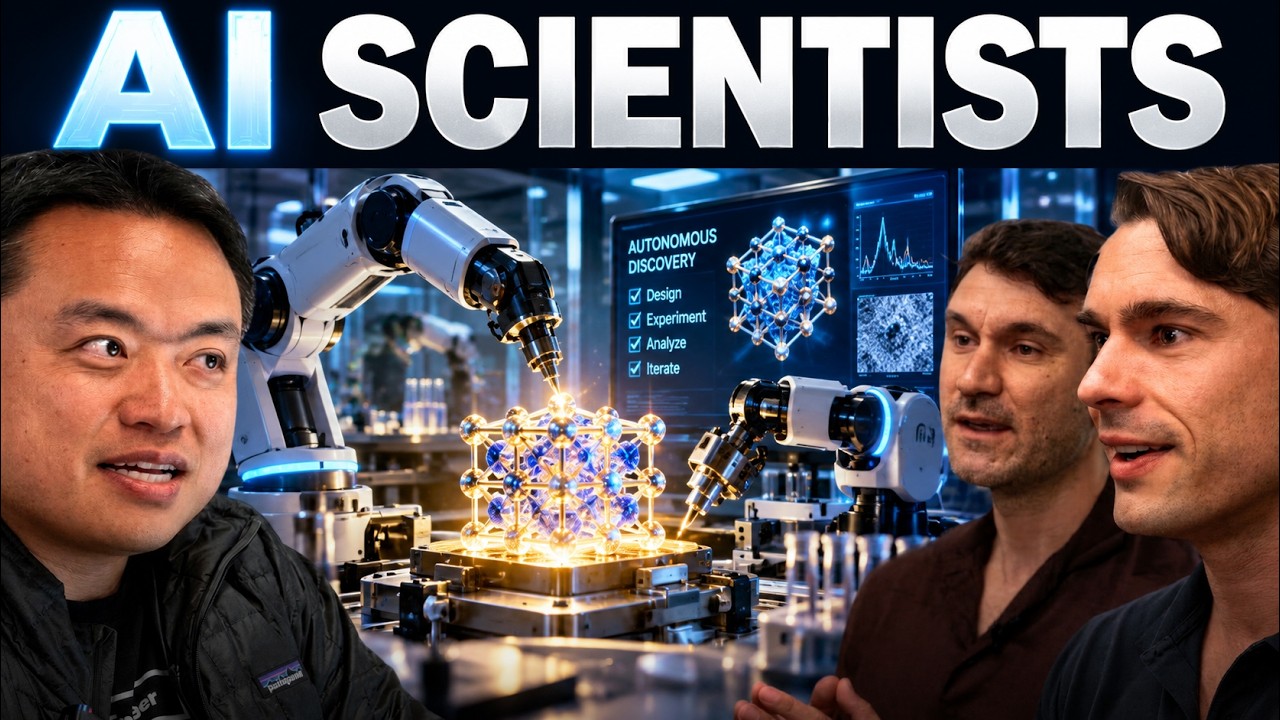
Andy Beam (CTO) and Rafa Gómez-Bombarelli (Co-founder & CSO of Physical Sciences) of Lila Sciences join us to talk about building scientific superintelligence.
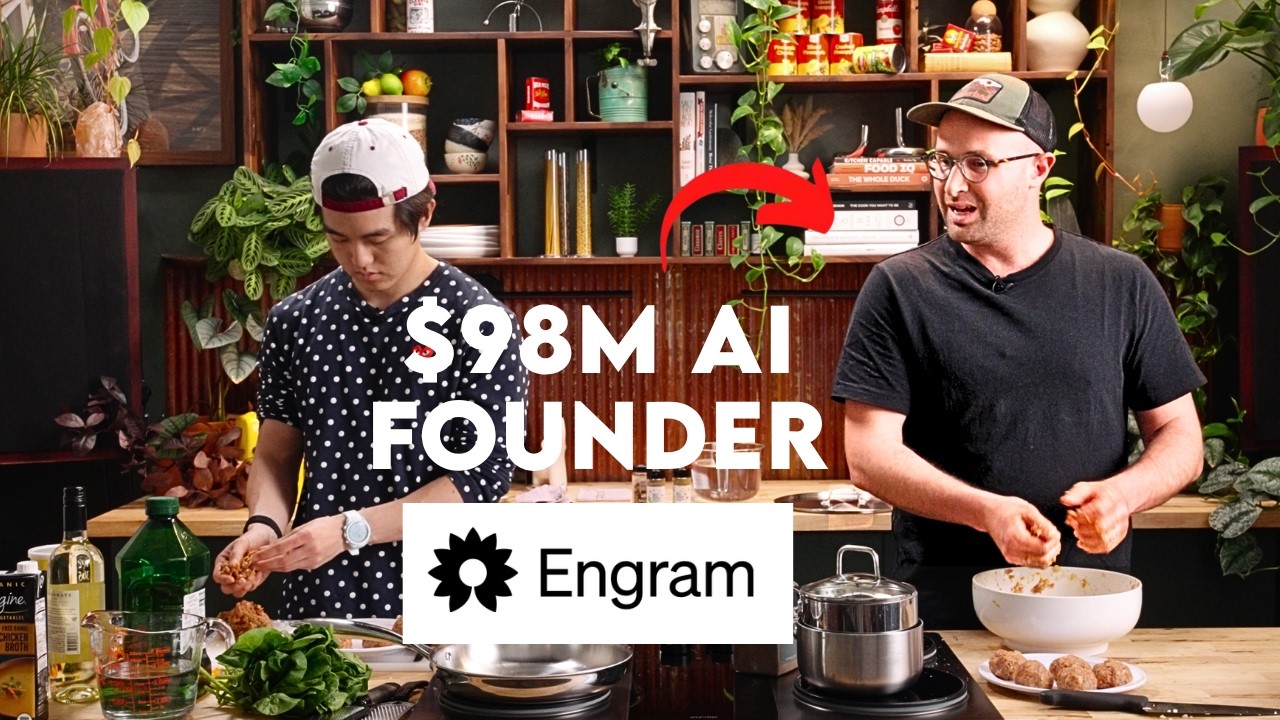
In this episode, Engram co-founder and CEO Dan Biderman joins Allen Park cook Mediterranean meatballs with yellow rice and talk about building AI that actually learns from you: why long context, RAG, and compaction eventually break down…
a trip into the cognitive science inspired research of Amazon's new AGI Lab!
chatting with our friend Matt!
From adding GPUs a year before ChatGPT to building the cloud primitives behind elastic inference, agent sandboxes, post-training, and production AI workloads, Modal has quietly become one of the most important infrastructure companies in…
Evan Feinberg and Genesis CTO Sergey Edunov join us to talk about solving drug discovery with AI. Sergey, fresh off leading Llama 2 and Llama 3 pretraining at Meta, makes the case that the most interesting architecture work in AI right now…
We chat with the founder of NanoClaw at AI Engineer Singapore!
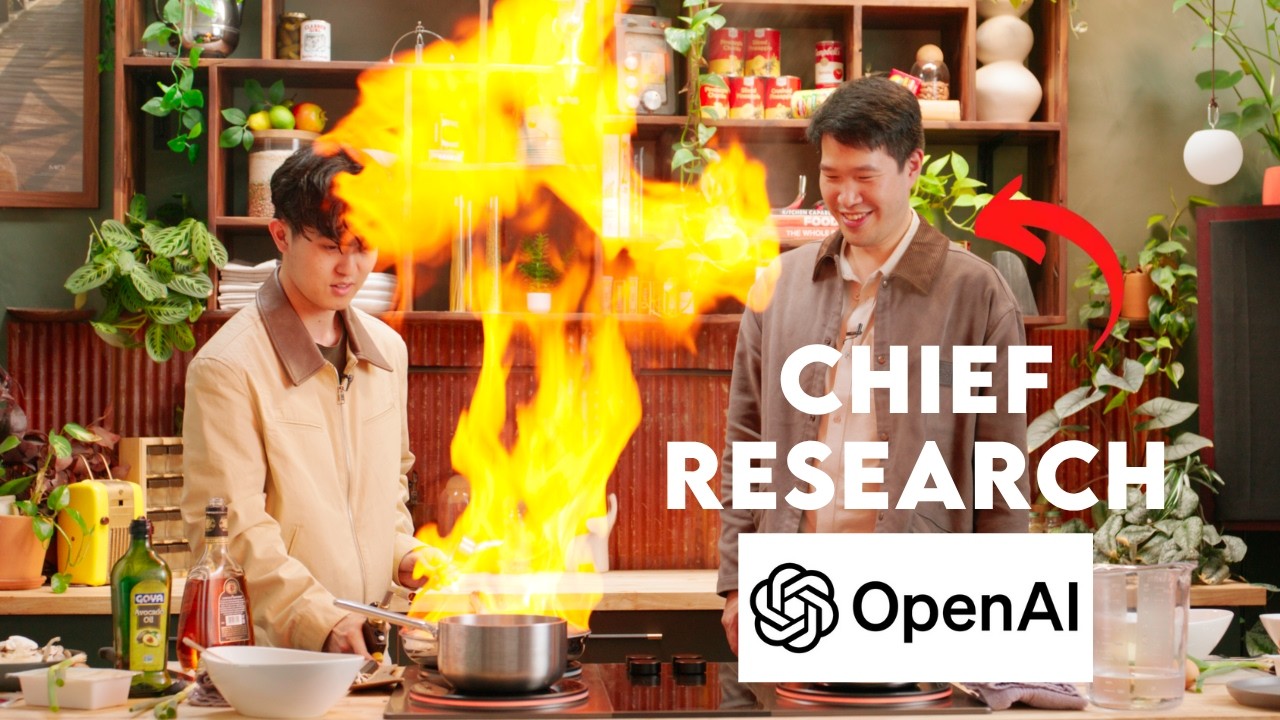
In this episode, we have Mark Chen, Chief Research Officer at OpenAI, joining us to make Korean tofu stew and flambé shrimp. From scaling laws and why pre-training is not dead, to the o1 reasoning bet, evals crisis, research taste…
From open-sourcing the layer above coding agents to rethinking databases for the agent era, Databricks cofounders Matei Zaharia and Reynold Xin are pushing the company beyond the lakehouse into a full data-and-AI operating system. In this…
AI agents are becoming powerful enough to write code, browse the web, access private data, and act on our behalf — but the security model for this new world is still being invented. In this episode, Gray Swan cofounders Zico Kolter and…
We chat with Ronak Malde, CEO of Trajectory.ai, discussing his journey from working on AI coding agents at Windsurf (and their subsequent acquisition by Google DeepMind) to his current mission of building a platform for continual learning…
From building Discord’s developer platform and backing frontier AI companies like Anthropic, Mistral, Black Forest Labs, and Periodic Labs to now building AMP’s independent compute grid, Anjney Midha has spent years close to the real…
Joseph Krause, founder and CEO of Radical AI, joins the AI for Science podcast to make the case that the bottleneck holding back aerospace, defense, computing, and consumer products isn't ideas — it's experiments. His answer is the…
We sit down with Ahmad Awais, CEO of CommandCodeAI, who developed a lightweight "tool-input repair layer" in their open-source AI CLI that dramatically improves tool-calling reliability for open models like DeepSeek. By analyzing failure…
From Claude trying to call the FBI over a $2/day vending machine charge to AI agents forming price cartels, hiring human employees, running physical stores, and writing existential robot musicals, Andon Labs is stress-testing what happens…
Carina Hong, founder and CEO of Axiom Math, joins the AI for Science podcast right after closing a $200M Series A to argue that the road to superintelligence runs through formal verification — not as a bug fix, but as the only way to…
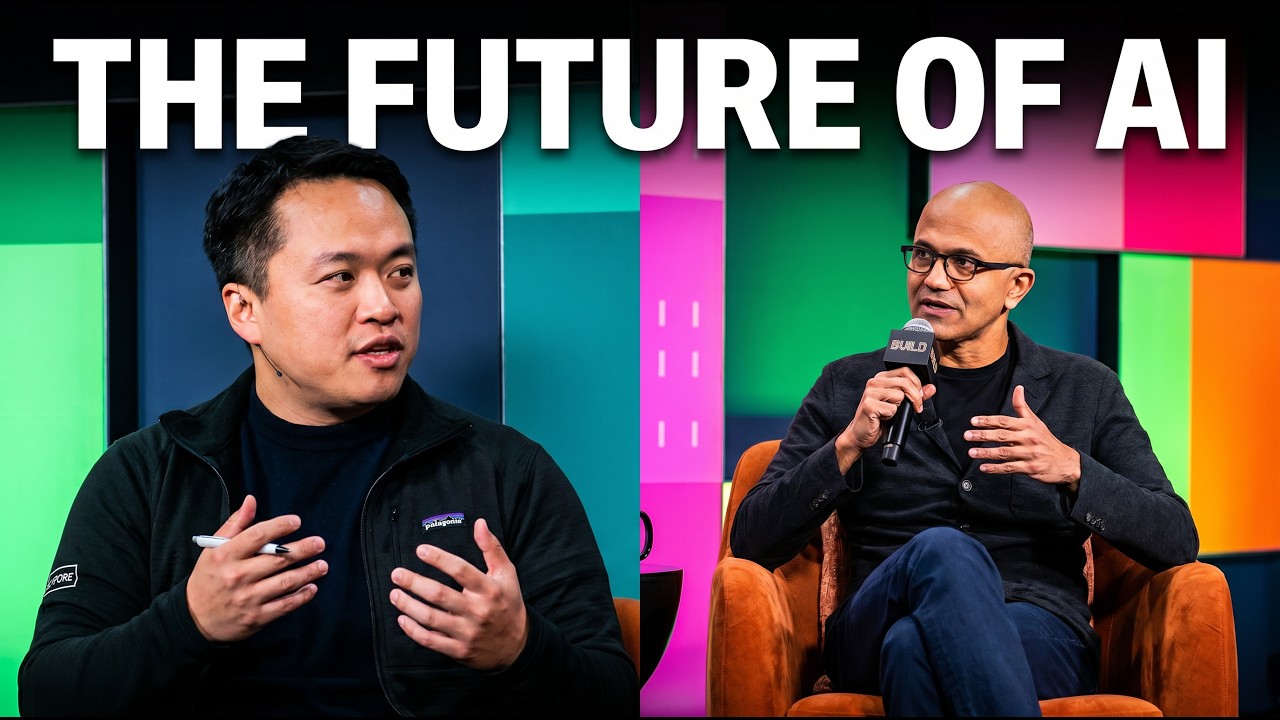
We’ve informally heard that Satya is a listener to LS for a couple years now, but it was still absolutely surreal to meet him and do a live pod at Build, together with our friends at No Priors, the leading VC AI Podcast that we also…
Satya Nadella joins swyx, Sarah Guo, and Elad Gil to discuss Microsoft’s AI announcements and argues the key shift is an ecosystem approach where any company can build “frontier intelligence” using models, tools, data, and a harness, not…
Thanks to Microsoft for setting this up for Build! ( https://build.microsoft.com/ - join livestream at 12.30pm PT today for a special crossover pod with @NoPriorsPodcast and Satya Nadella!)
From building NVIDIA’s Cosmos world model to joining xAI as Grok Imagine was being built from zero to one, Ethan He has been at the center of some of the most important work in video generation, multimodal models, and real-time world…