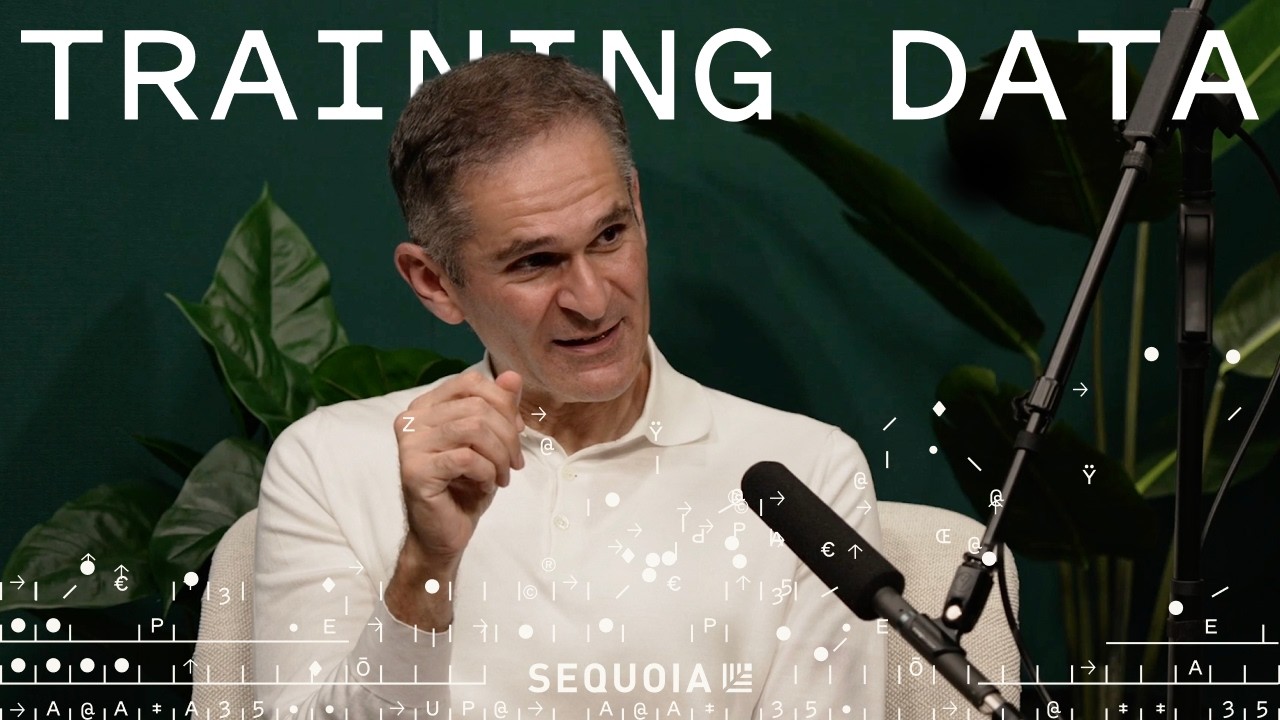
What Today’s Best Models Still Can’t Do in Math

About this episode
From the show’s notesa16z’s Lisha Li sits down with Daniel Litt, Assistant Professor of Mathematics at the University of Toronto, to unpack AI's rapid progress in mathematics, what today's frontier models can actually do, and what they're still missing about the way mathematicians think.
Daniel explains why some recent AI-generated results are genuinely impressive, including an autonomous solution to the Erdős unit distance problem, but argues that solving problems is only one part of mathematics. Today's models can grind through calculations, combine known techniques, and search enormous spaces, but still struggle with intuition, theory building, identifying the right questions, and developing the kind of big-picture understanding that drives much of mathematical progress.
Read the show’s notes in full
Lisha and Daniel also explore how AI is already changing mathematical research, why an explosion of AI-generated papers could distort academic incentives, and what happens if researchers outsource the work of thinking rather than use AI to deepen it. Ultimately, they ask a question that extends far beyond mathematics: as AI gets better at intellectual work, how do we make sure humans keep getting better at thinking too?
Timestamps:
Resources:
Follow Daniel Litt on X: x.com/littmath
Follow Lisha Li on X:
x.com/lishali88
Stay Updated: If you enjoyed this episode, be sure to like, subscribe, and share with your friends!
Find a16z on X: twitter.com/a16z
Find a16z on LinkedIn: linkedin.com/company/a16z
Listen to the a16z Show on Spotify: open.spotify.com/show/5bC65RDvs…