How AI Changes the Economics of Innovation

About this episode
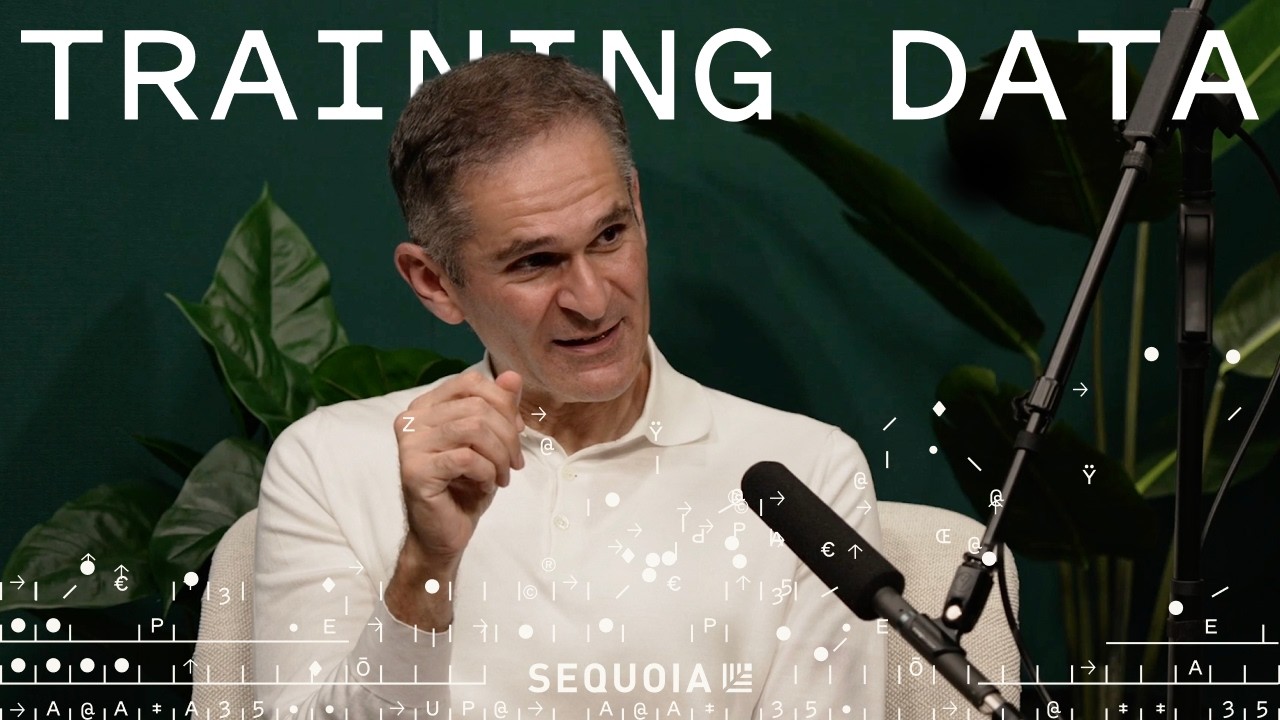
From the show’s notesa16z General Partners Martin Casado and Erik Torenberg are joined by Board Partner Steven Sinofsky to explore what recent breakthroughs in AI and mathematics tell us about where the technology is headed, and whether some of the basic assumptions that have governed computing for decades are starting to break.
Martin and Steven debate whether AI's progress in mathematics represents a genuine leap in reasoning or simply a new tool for solving problems at a higher level of abstraction. From the four-color theorem and early computers to graphing calculators and today's models, they trace how new technologies have repeatedly changed which problems humans need to solve themselves, and ask what makes this moment different.
Read the show’s notes in full
The conversation then turns to one of the biggest shifts in AI: problems that were once constrained by engineering talent can increasingly be attacked with capital and compute. They discuss what that means for startups versus incumbents, venture capital, the coming wave of AI applications, and why pouring billions into increasingly capable models may force us to rethink what these systems can ultimately accomplish.
Timestamps:
Resources:
Follow Martin Casado on X: x.com/martin_casado
Follow Steven Sinofsky on X:
x.com/stevesi
Stay Updated: If you enjoyed this episode, be sure to like, subscribe, and share with your friends!
Find a16z on X: twitter.com/a16z
Find a16z on LinkedIn: linkedin.com/company/a16z
Listen to the a16z Show on Spotify: open.spotify.com/show/5bC65RDvs…